
In today’s competitive job market and housing landscape, understanding the intricacies of criminal background checks is crucial for anyone navigating employment opportunities or rental applications in Southern California.
These checks delve into an individual’s criminal record, revealing details about past convictions, arrests, and other legal matters that could impact decisions made by employers or landlords.
At Excell Investigations, we specialize in providing thorough background check services tailored to the unique legal environment of Southern California, helping clients uncover accurate information while respecting privacy and compliance with laws like the Fair Credit Reporting Act.
This article dives deep into how far back these checks typically go, influenced by factors such as state laws, the type of offense—whether it’s a felony, misdemeanor, or summary offense—and specific regulations from bodies like the Equal Employment Opportunity Commission.
Reading this piece is worthwhile because it equips you with factual insights to manage your criminal history effectively, whether you’re seeking expungement options, preparing for a job interview, or ensuring consumer protection in your background screening process.
With our expertise in private investigations, including undercover surveillance and record searches, we aim to demystify these processes, offering clarity on everything from violent crimes and drug-related offenses to sex offender registries and credit history implications, all while emphasizing accuracy and precision to avoid misinformation.
When considering employment in Southern California, many job seekers wonder about the extent of pre-employment background checks and how they might reveal elements of their criminal history or employment verification details.
These checks are essential tools for employers to ensure a safe and reliable workforce, but they’re governed by federal and state laws that limit how far back a background check can go.
For instance, under the Fair Credit Reporting Act, most consumer reporting agencies are restricted from reporting non-conviction information older than seven years, though certain exceptions apply for higher-salary positions or specific industries.
This means that while a misdemeanor from a decade ago might not appear, more serious felonies could have longer reporting periods depending on the background check company and the nature of the crime, such as murder or property-related offenses.
Delving deeper, the timeframe for employment background checks in Southern California can vary based on the type of check conducted, whether it’s a basic criminal record search or a more comprehensive one including credit checks and database verifications.
Employers often use these to assess risks associated with hiring, but initiatives like Ban the Box aim to reduce discrimination by delaying inquiries into criminal records until later in the hiring process. We at Excell Investigations understand these nuances and provide services that help both employers and individuals navigate these waters, ensuring compliance and fairness.
Factors like the applicant’s salary level—if over a certain threshold—can extend the lookback period beyond the standard seven years for credit history or certain criminal convictions, highlighting the importance of knowing your rights under consumer protection laws.
It’s also worth noting that while most employment screening looks back seven to ten years, some checks can go further for serious offenses, especially in regulated sectors like childcare or finance where databases might include lifelong records for sex offenders or violent crimes.
This variability underscores why consulting professionals is key to getting accurate information without falling prey to misinformation.
The reporting of criminal convictions in background checks isn’t arbitrary; it’s shaped by a blend of legal frameworks and practical considerations that ensure both accuracy and privacy.
For example, the National Consumer Law Center advocates for limits on how far back these reports can delve to prevent undue discrimination against those who’ve served their time in prison or completed diversion programs.
Federal guidelines, combined with Southern California’s regulations, dictate that consumer reports typically go back seven years for arrests not leading to convictions, but this can extend for certain roles involving money management or child safety.
Different types of background checks, from basic criminal history reviews to advanced fingerprint-based ones, each have unique scopes that influence how far back they probe into an individual’s past.
For instance, a level 2 background check often required for positions in education or law enforcement in Southern California might access sealed records or go beyond the standard limits.
Criminal background checks vary significantly depending on the offense type, with felonies often having no time limit in reporting compared to misdemeanors that fade after seven years.
In Southern California, this distinction is critical for those with past involvement in crimes ranging from drug possession to more severe violent acts, as it affects everything from job applications to renting properties.
Employers and landlords use these checks to mitigate risks, but laws ensure that not all past mistakes haunt individuals forever, promoting rehabilitation and equal opportunities.
Exploring further, the lookback period for criminal background checks can be influenced by whether the offense is classified as a felony, which might include theft or assault, versus a misdemeanor like minor drug infractions.
The Equal Employment Opportunity Commission guides employers to consider the relevance of the conviction to the job, preventing blanket discrimination.
At Excell Investigations, we assist clients in understanding these periods through our 24/7 free consultation, helping them prepare for what might show up on a background check report.
Additionally, certain crimes like those requiring registration on a sex offender registry have indefinite reporting, ensuring public safety but also emphasizing the need for accurate data management to avoid errors that could lead to wrongful denials.
The disparity in how far back criminal records are reported stems from legal categorizations and public policy aimed at balancing safety with rehabilitation. Serious offenses are prioritized for longer visibility to protect society.
State regulations in Southern California reinforce these differences, ensuring that databases reflect current risks rather than outdated histories.
How Can Privacy Laws Affect Criminal History Reporting?
Privacy laws intersect with background checks by imposing limits on data collection and dissemination, safeguarding individuals from unnecessary exposure of their past.
In Southern California, these laws help maintain a balance between transparency and personal rights, especially in employment and tenant screening contexts.
Data Protection Measures: Regulations ensure that only authorized entities access certain records, preventing misuse in unrelated scenarios like casual inquiries.
Consumer Rights Enforcement: Individuals can dispute inaccuracies, promoting trust in the system and reducing the spread of misinformation.


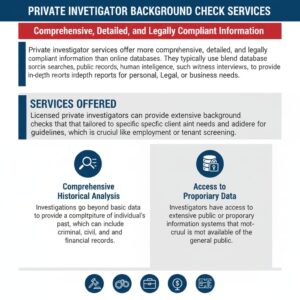
Federal background checks often extend further than state-level ones, accessing national databases that might reveal convictions from anywhere, unlike localized Southern California checks that focus on regional courts. This broader scope is vital for positions requiring high security clearance, where even old arrests could be scrutinized under federal laws. Understanding this difference helps individuals anticipate what might surface, especially if their criminal history spans multiple jurisdictions.
In contrast, Southern California state laws impose stricter limits, aligning with the Fair Credit Reporting Act to cap most reporting at seven years for non-federal matters. However, federal checks for roles in government or finance can go back indefinitely for certain felonies, emphasizing the need for thorough preparation. We at Excell Investigations offer expertise in navigating these variances through our comprehensive services, available via 24/7 free consultation.
Moreover, the integration of federal guidelines with state practices ensures a layered approach, where Equal Employment Opportunity Commission rules prevent discrimination while allowing necessary disclosures for public safety.
FBI background checks represent the pinnacle of thoroughness, accessing a national repository that can trace criminal records back to their origins without the seven-year cap.
This is particularly relevant for federal employment or immigration processes in Southern California, where accuracy is non-negotiable.
Fingerprint background checks add a layer of precision by matching biometric data to records, potentially uncovering discrepancies or older entries that name-based searches miss.
In Southern California, these are common for licensed professions, ensuring trustworthiness.
The variety in background check types means their lookback periods differ, from credit checks limited to seven years to criminal ones that might extend further for felonies. In Southern California, employers tailor these based on job requirements, with pre-employment background checks often combining multiple elements for a holistic view. This customization ensures relevance but also highlights the importance of knowing what each type entails.
For instance, employment verification might only go back a decade, focusing on recent history, while criminal components could delve deeper for roles involving trust or safety. Regulations from the Equal Employment Opportunity Commission encourage fair use, avoiding undue focus on irrelevant past events. Our team at Excell Investigations helps demystify these through detailed consultations, available 24/7 for free.
Furthermore, understanding these variations empowers job seekers to address potential red flags proactively, such as through expungement or explaining contexts in interviews.
Pre-employment background checks in Southern California usually adhere to a seven-year standard for most information, balancing thoroughness with fairness.
This timeframe helps employers make informed decisions without perpetuating past mistakes indefinitely.
Background check companies in Southern California must comply with laws but can vary in scope based on client needs, affecting how far back they search.
Their methodologies ensure accuracy, but choosing reputable ones prevents errors.
Several factors impact how far back employment background checks go, including the applicant’s salary, the industry, and specific state regulations that prioritize consumer rights. For higher-salary jobs over $75,000, checks can extend beyond seven years for credit history, reflecting greater financial responsibilities. In Southern California, these elements combine to create a nuanced landscape where understanding the interplay is key to preparation.
Legal frameworks like the Fair Credit Reporting Act and Ban the Box initiatives further shape these timeframes, aiming to reduce discrimination and promote accurate reporting. Employers must weigh the relevance of old records against current capabilities, often consulting guidelines from the Equal Employment Opportunity Commission. At Excell Investigations, we provide insights into these impacts through our expert services, with 24/7 free consultation to address your concerns.
Additionally, the type of data—whether from public courts, private databases, or federal sources—can extend or limit the lookback, emphasizing the need for professional guidance.
Southern California state laws enforce caps like the seven-year rule to protect privacy and encourage workforce participation post-conviction.
These limits prevent perpetual punishment for reformed individuals.
The Fair Credit Reporting Act sets national standards for accuracy and timeliness in reports, directly influencing Southern California’s practices.
It mandates consent and dispute rights, enhancing trust.
The scope of employment background checks encompasses criminal, credit, and verification elements, but limitations ensure they’re not all-encompassing tools for discrimination. In Southern California, these checks must comply with privacy laws, focusing on relevant data to avoid invading personal lives unnecessarily. This balance is crucial for maintaining fairness in hiring.
Limitations arise from both federal statutes and state-specific rules, such as those preventing inquiries into expunged records or irrelevant acquittals. The National Consumer Law Center supports these to protect vulnerable populations from misinformation-driven decisions. We at Excell Investigations emphasize ethical practices in our background services, offering 24/7 free consultation for clarity.
Ultimately, recognizing these scopes helps individuals and employers alike, promoting a transparent process.
Preparation involves reviewing one’s own records and seeking expungement where possible, mitigating potential issues.
In Southern California, accessing court documents aids this proactive approach.
What Are the Consequences of Inaccurate Background Check Information?
Inaccuracies can lead to lost opportunities, prompting legal recourse under consumer protection laws.
Correcting errors restores fairness and accuracy in the process.
Impact on Opportunities: Faulty data might result in denied jobs or housing, affecting livelihoods.
Remediation Paths: Disputes through agencies ensure corrections and potential compensation.
Key Timeframe Variations: Remember that most background checks in Southern California limit reporting to seven years for misdemeanors and non-convictions, but felonies and serious offenses can extend indefinitely unless expunged.
Legal Protections: Always leverage laws like the Fair Credit Reporting Act and Ban the Box to ensure fair treatment and prevent discrimination based on outdated criminal records.
Professional Guidance: Consult experts for accurate insights into your specific situation, including options for expungement or dispute resolution to manage your criminal history effectively.

Many people in Southern California ask how far back does a background check go when applying for jobs or rentals, especially if they have something in their past they’re concerned about.
The truth is, it depends on several factors, including the type of check and local regulations that govern what can be reported.
For most standard employment background checks conducted through professional services, there’s often a seven-year window for certain information, but this isn’t a hard rule for everything, like serious convictions in some cases.
We at Excell Investigations frequently help clients understand these details, ensuring they get clear, compliant reports tailored to Southern California’s legal landscape.
Taking a closer look, background checks typically include a mix of criminal history, credit details, and employment verification, but the depth varies.
For instance, non-conviction data, such as arrests without charges sticking, usually can’t be reported beyond seven years, promoting fairness and giving people a chance to move on. However, when employers or landlords need to run a background check for higher-stakes positions, they might access more extensive records.
This is where knowing the process helps—background checks are essential for safety but must balance with privacy rights.
Furthermore, different background checks can vary in scope; a basic one might stick closer to recent years, while specialized ones dig deeper if allowed. Learning how far back background checks go can ease worries and prepare you better for the background check process.
Wondering exactly how far back does a background check extend can feel overwhelming, but in reality, most reports prioritize relevance over exhaustive history.
Background check companies follow guidelines that prevent pulling irrelevant old data, which helps maintain accuracy and fairness. For example, states limit how far back reporting goes to encourage rehabilitation, meaning ancient minor issues often stay off modern reports.
In everyday scenarios, checks can go back varying distances based on what’s being searched—criminal elements might have caps, while education or professional licenses could span further if needed.
We often explain to clients that while a background check may reveal key details, it rarely goes back to high school unless specifically requested for certain roles. This targeted approach makes background checks for employment more manageable and less intimidating.
Moreover, checks can look into databases that update regularly, but legal limits to how far back information is considered keep things balanced. Finding out how far a specific check will probe often starts with understanding the employer’s needs and local rules.
People often search for how far back background checks go because past mistakes shouldn’t define future opportunities forever. In many cases, background checks typically go back 7 years for standard reporting, allowing individuals to demonstrate growth over time.
This timeframe is common because it provides enough insight without dredging up decades-old issues that no longer reflect who someone is today.
Exploring further, far back background checks go can also depend on the intensity of the search—routine ones stay shallower, while thorough ones for sensitive jobs probe more.
Background checks are essential in building trust, yet they’re designed not to penalize indefinitely. At Excell Investigations, we guide clients through what checks can reveal, offering 24/7 free consultation to clarify expectations.
Additionally, far back they go might surprise some, but protections ensure that only meaningful data influences decisions.
Learning how far back different checks extend empowers better preparation.
Businesses and individuals alike need to conduct background checks responsibly to comply with privacy laws and promote fair outcomes.
In Southern California, these checks help verify information without overreaching, often limiting scope to avoid discrimination. We emphasize ethical practices, using accurate databases and clear processes to deliver reliable results.
When deciding to conduct background checks, it’s vital to consider legal boundaries and individual rights.
For employment or tenant screening, checks provide peace of mind but must respect limits on old data. Our approach ensures every check aligns with best practices, minimizing risks of misinformation.
Plus, background checks and how far they extend are governed by regulations that prioritize consumer protection. Conducting them properly builds credibility and avoids complications.
A background check may uncover various details, from recent jobs to legal history, but limits prevent it from becoming overly invasive. Understanding what a background check may include helps set realistic expectations—typically recent convictions or credit issues, not lifetime archives. This restraint supports second chances while maintaining safety.
Delving into specifics, background checks typically focus on actionable insights rather than exhaustive timelines. The background check process involves multiple steps to ensure fairness, like notifying individuals and allowing disputes.
In addition, a background check may vary by provider, but consistent limits keep them balanced.
Background checks typically reveal a snapshot of recent history, helping decision-makers without overwhelming details. In Southern California, employment background checks typically cover seven to ten years, aligning with common standards for relevance. This typical scope makes them effective tools for informed choices.
Further, background checks typically go through structured phases, from data collection to final reporting. Knowing what they typically include prepares applicants and requesters alike.
Moreover, checks go back strategically, focusing on patterns over isolated old events.
Deciding to run a background check doesn’t have to be complicated—professionals handle the details compliantly. In Southern California, we make it straightforward, providing thorough yet lawful reports. Whether for hiring or personal needs, running one through experts ensures accuracy.
The decision to run a background check often stems from needing verification, and our services streamline it. Far back do they go is a top question, and we clarify based on specifics.
Additionally, need to run a background arises in many situations, and we’re here 24/7 for free consultations.
Questions like checks go back how many years come up often, and the average is around seven for many categories. This average helps focus on current relevance, benefiting everyone involved.
In practice, checks can go back selectively, with averages reflecting protective laws.
Understanding averages aids in realistic planning.
Overall, far back background checks go is guided by balance—enough history for insight, not so much to hinder progress. Background checks are essential, yet designed with safeguards.
We help navigate these to provide clarity.
Different types of employment play a big role in determining how thorough a background check needs to be and how far it reaches into someone’s past. In Southern California, jobs that involve working with vulnerable people, handling large amounts of money, or requiring security clearances often trigger more extensive screenings. For example, positions in childcare, education, healthcare, or law enforcement usually demand level 2 checks that can reveal more detailed criminal history than a standard retail or office role would require. We see this all the time at Excell Investigations—employers want to make smart hiring decisions, but the depth of the check has to match the responsibilities of the job while staying within legal boundaries.
When it comes to sensitive types of employment, the background check process goes beyond the usual seven-year window because public safety and trust are on the line. These roles might involve fingerprinting or access to statewide and national databases, allowing reviewers to consider criminal records that older checks would skip. On the other hand, general office jobs or service-industry positions typically stick to simpler verifications that focus on recent history. Understanding these differences helps both employers and job seekers know what to expect and prepare accordingly.
Additionally, the classification of the position influences whether non-conviction information or older records become relevant. We always advise clients to be upfront about requirements so everyone stays compliant and informed.
The specific demands of different types of employment directly shape what a background check can search for and report. For instance, a truck driving job might prioritize driving records and recent drug-related issues, while a teaching position digs deeper into any history involving minors. This tailored approach ensures relevance without unnecessary intrusion.
In practice, background checks are governed by a mix of federal and local rules that tie reporting limits to the nature of the work. Employers can’t just pull everything—they have to justify why certain older records matter for that particular role.
We help many Southern California businesses design screening programs that match their industry needs while protecting applicant rights.
People often wonder exactly how far checks go back as far as the law allows, and the answer isn’t one-size-fits-all. For most everyday jobs in Southern California, reports look back seven years for things like misdemeanors, civil judgments, and credit issues. But when the position involves greater responsibility, the search can extend further to provide a complete picture of reliability.
This flexibility exists because some criminal records can be reported indefinitely if they’re directly related to the job—think violent offenses for security roles or theft convictions for banking positions. The goal is always balance: enough history to make informed decisions without punishing people forever for past mistakes they’ve moved beyond.
At Excell Investigations, we guide clients through these nuances during our 24/7 free consultation, explaining when and why a check might go back as far as the records exist.
Not all criminal records can be reported the same way—some fade after seven years, while others remain visible much longer. In Southern California, felonies and certain serious misdemeanors often stay on reports indefinitely unless expunged, especially when public databases maintain them. This permanent visibility serves safety purposes but also highlights why pursuing record clearing options matters.
The rules around which criminal records can be reported depend heavily on severity, relevance, and whether the individual has taken steps to seal or expunge them. Private background check companies must follow strict guidelines to avoid including outdated or irrelevant data.
We frequently assist people in understanding exactly which of their records might still surface and what they can do about it.
Wondering how far back a criminal background check truly goes can cause a lot of anxiety, but knowing the realities helps. For standard screenings, the effective reach is usually seven to ten years for most reportable criminal activity. However, court records and public databases don’t erase old convictions, so in deeper searches they can still appear.
In Southern California, far back a criminal check extends often comes down to the sources used—basic name-based searches hit recent hits, while fingerprint or level 2 checks access comprehensive statewide files. This difference explains why some people are surprised by what turns up.
Our team specializes in explaining these layers so clients aren’t caught off guard.
Background checks and how far back they probe are tightly regulated to protect privacy while allowing necessary due diligence. In Southern California, these checks and how far back information can be included follow clear patterns: seven years for most adverse non-conviction data, with exceptions for convictions in certain contexts.
These regulations ensure fairness—employers get relevant insights, and individuals aren’t haunted indefinitely by youthful errors. The Fair Credit Reporting Act sets the national baseline, while local rules add extra protections.
We stay current on these evolving standards to provide accurate, compliant services every time.
All background checks are governed by a combination of federal statutes, state regulations, and industry guidelines that dictate depth, accuracy, and fairness. In Southern California, this layered oversight means employers and screening companies must navigate rules carefully to avoid violations.
Key laws determine not only what can be reported but also how it’s obtained and shared. This governance protects consumers from misuse while giving businesses tools to hire responsibly.
At Excell Investigations, compliance is at the core of everything we do—we build trust through strict adherence to these standards.
A modern background check can search an impressive array of databases—from county courts and state repositories to national watchlists and credit bureaus. This multi-source approach delivers comprehensive results quickly, but legal limits still control what gets included in the final report.
The power of these searches lies in cross-verification, reducing errors and filling gaps that single-source checks might miss. However, responsible providers always filter results through compliance lenses.
We leverage trusted, up-to-date sources to deliver reliable insights without overstepping boundaries.
Level 2 checks represent the most thorough screening available in Southern California, often required for positions involving vulnerable populations or high security. These checks typically involve fingerprint submission to state and federal authorities, granting access to sealed and comprehensive criminal history files.
Unlike standard checks, level 2 checks can reveal juvenile records, dismissed cases, and offenses from decades ago if they’re still maintained in official databases. This depth serves critical safety needs but also underscores why only certain roles require them.
Many of our clients in education, healthcare, and law enforcement rely on these for complete confidence in their hiring.
When people ask how far back they can look in a professional screening, the answer varies dramatically by check type. Standard reports usually cap at seven years, but advanced or mandated screenings can examine records going back to adulthood or even earlier in some cases.
This extended visibility ensures thorough vetting where it’s truly needed, while everyday checks remain limited to promote fairness.
We help clients choose the right screening level for their specific situation.
Most consumer-facing reports look back seven years because this timeframe strikes a widely accepted balance between insight and forgiveness. In Southern California, this seven-year window applies to arrests without convictions, civil suits, and negative credit information, giving people realistic opportunities to rebuild.
While convictions might appear longer, the seven-year mark still serves as the primary reference point for what most employers will see in a standard package.
This standard helps create predictable, fair hiring practices across industries.
Ultimately, how far back background checks can go depends on purpose, legal allowances, and screening type—from seven years for most situations to indefinite for serious matters in regulated roles. Understanding these boundaries empowers better decisions on both sides of the hiring process.
We at Excell Investigations remain committed to transparent, accurate screenings that respect privacy while delivering necessary information.


 Contact Us
Any question or remarks? Just write us a message.